Dry Times in Temecula Summer Heat and Night Dew
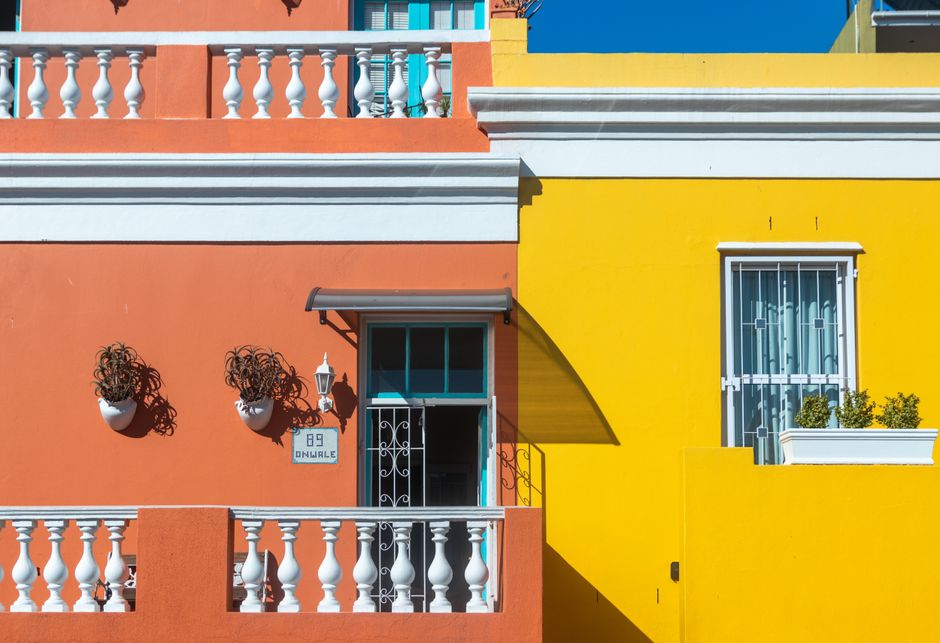
Four hours of working light on a hot wall is the whole budget for one side of the house. Painters in Temecula, CA, plan around the sun rather than the clock, as the notes at temecula house painting ma petite serie deco describe. A repaint here has to move around the house with the shade, because paint that dries too fast on a hot wall flashes, and paint left out overnight in the dew spots.
Hot dry afternoons dry the surface too fast
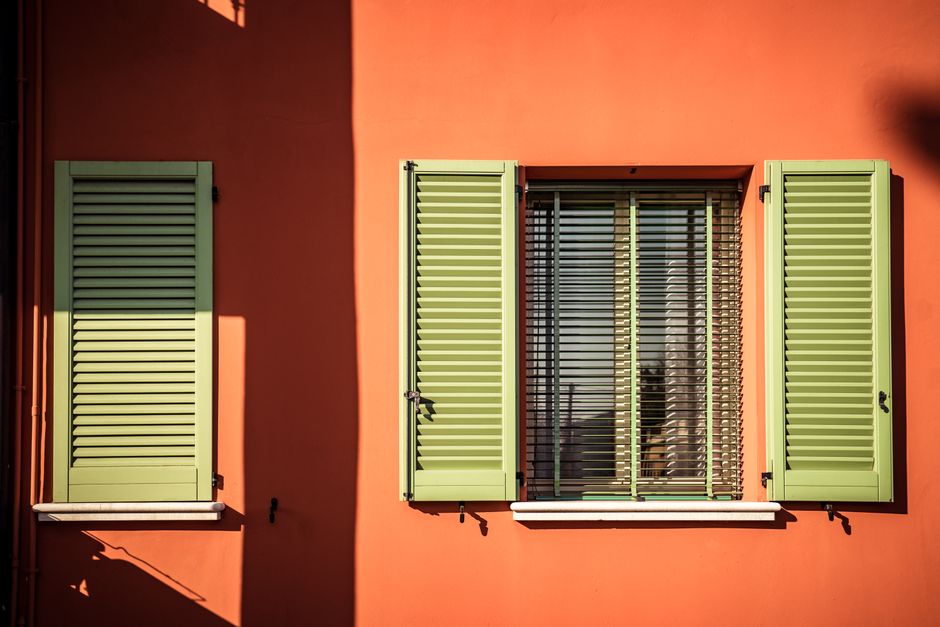
On a wall in full summer sun, latex can skin over in minutes. The roller drags, laps show, and the film dries before it levels. Painters cut in and roll one section at a time, keeping a wet edge, and start each wall once the sun has moved off it. Working the shade side of the house first and the sun side late in the day avoids most of this.
Cool nights and dew
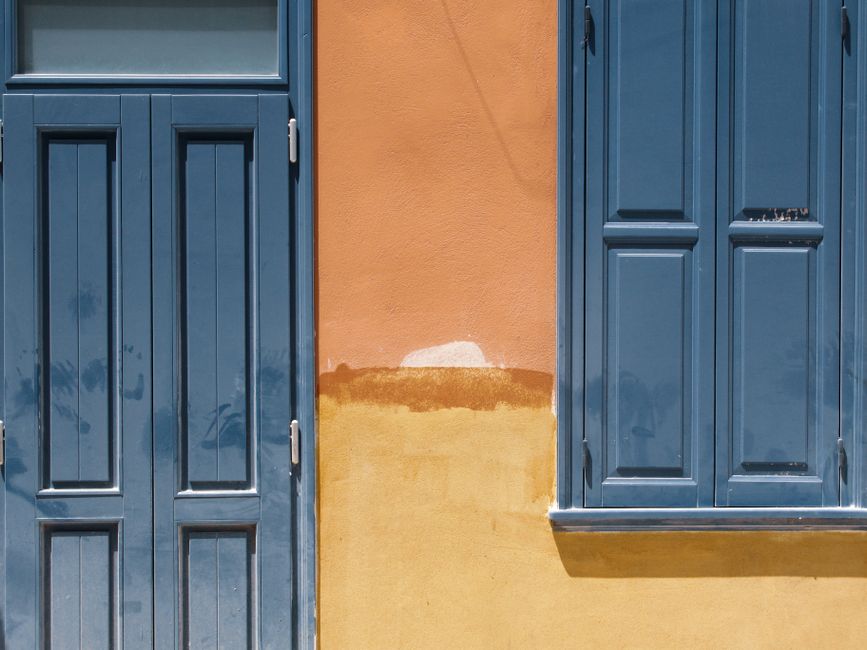
Near Murrieta Creek and Temecula Creek the air cools sharply after dark and a thin film of dew often forms on stucco before sunrise. Fresh acrylic that has not fully cured by evening picks that moisture up and can streak or lose sheen. The last coat of the day goes on early enough to set hard before the evening air turns damp.
Recoat intervals
The can says to wait a few hours, and in dry heat that is often true by early afternoon. In a cool damp morning the same wait stretches. Touch is not enough of a test. A painter presses a thumbnail lightly into an inconspicuous spot and checks for tackiness before laying a second coat. Recoating too soon pulls the first film and causes visible roller marks.
Order of the sides
East walls get the early morning, south and west walls get the late afternoon once the sun leaves them, and north walls can be painted any time of day. Trim is done after the field, since cut in lines against dry wall give a cleaner edge. An airless sprayer helps cover stucco fast, but the back roll still follows right behind it.
Flashing and how to avoid it
Flashing is a patchy change in sheen where one stroke dried at a different rate than its neighbor. Hot dry wind makes it worse. The fix is a steady pace, a wet edge, and a second coat laid at the proper interval. Two coats applied under the right conditions look even from the street, from sunrise through dusk.