House Painting in Temecula, CA

Notes on house painting in Temecula, CA, from scraping and primer to the last coat, written around valley heat and cool dewy nights.

What We Cover

House Painting in Temecula, CA

A full repaint on a Temecula tract or ranch home starts with the wall, not the color. The crew walks the stucco, presses on the trim, and marks every crack, chalky patch and bare board before a can is opened. Most of the work happens in the first days, and almost none of it is visible once the last coat dries.

Prep before paint

Washing, scraping, sanding and patching come first. Stucco gets hairline cracks filled, wood trim gets sanded to a sound edge, and every joint at a window casing or fascia end gets caulk. Bare wood and patched spots take primer so the finish dries evenly. Dust from the dry Riverside County air has to be rinsed off, or the new coat bonds to grit instead of the wall.

Coats, sheen and cut in

Two coats of acrylic latex go on over a sound surface, with a flat or low sheen on stucco and satin or semi gloss on trim and doors. Cut in at the trim lines happens before the roller or sprayer fills the field, and the back roll follows the sprayer closely so the film levels out.

Heat, nights and dew

Summer days in the Temecula Valley run hot and dry, and nights cool off quickly toward Murrieta Creek and the Santa Margarita River. Paint skins too fast on a sunbaked wall and picks up dew if it is left wet at dusk. The crew follows the shade around the house and finishes the day's last coat early enough to set before evening.

Guides

The pages here cover scraping and prep, primer, caulk, dry times, sheen choices and how to read a written scope of work for a house in Temecula. The posts add longer reads on repainting stucco and planning a job around the local seasons.

Latest Guides

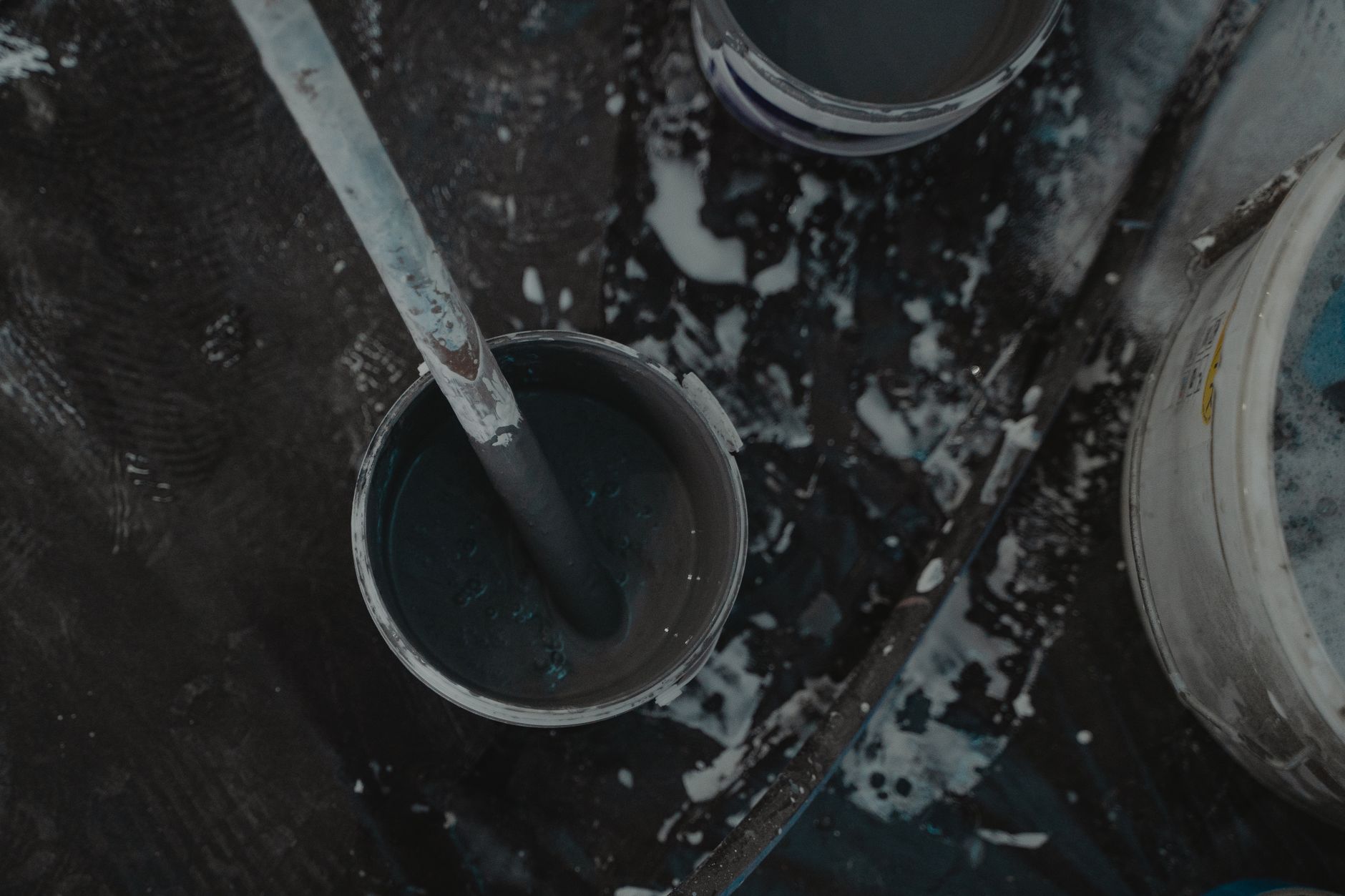
Aerial shot of paint buckets and tools on a construction site, showcasing a renovation project in Temecula, CA

A Day by Day Repaint Schedule for a Temecula Ranch Home

2026-10-06

A ranch home in Temecula looks simple from the curb: one story, a long roofline, stucco walls and a run of wood trim. The repaint behind that simple look is a sequence, and each step has a reason for sitting where it does. Hot dry afternoons, cool nights and a heavy morning dew all push on the schedule, so the order of work matters as much as the paint itself. What follows is a day by day walk through a full exterior repaint on a typical Temecula tract or ranch house, written from the crew's side of the ladder.

How long does a full exterior repaint take on a ranch home?

A single story house of ordinary size takes a working week, sometimes a few days more. The count depends less on square footage than on the condition of the surfaces. A wall with sound paint and a few cracks moves fast. A wall with chalky stucco, rotted fascia ends and years of sun damage on the south side takes extra days before any topcoat goes on, and no amount of crew size shortens the drying times that sit between the steps.

What happens on day one before any paint is opened?

The first day is a wash and a walk. The walls get rinsed with low pressure water to clear dust, cobwebs, pollen and the fine grit that settles across the Inland Empire all summer. Stucco is porous, and every pore holds a little dust. If it stays there, the primer bonds to dust instead of to the wall.

While the wall dries, the crew walks the house with a scraper and a putty knife. Every area of loose paint is marked. The chalk test goes on the south and west walls: a dry palm drawn across the stucco, and a pale powder on the skin means the old binder has broken down. Window casings, fascia ends and the bottom of the garage door trim get a firm press with the thumb, because those spots rot first and a soft board cannot hold paint.

What does day two look like?

Day two belongs to scraping, sanding and patching. Loose paint comes off with a carbide scraper. Rough edges are feathered with sandpaper so the old paint edge does not show as a ridge under the new coat. Glossy enamel on trim and doors gets a scuff sand, which gives the next coat a surface to bite into.

Stucco cracks are filled with patching compound that is rated for movement and worked in with a knife. Wider cracks get a mesh strip before the compound goes over. Small dents and nail holes in trim take spackle, but anything soft is cut out and replaced. Filler on rotted wood only hides the problem for a season.

When does caulk go in, and why is it timed carefully?

Caulk goes in after the scraping and sanding, and before any primer. The joints that get it are the trim to stucco lines, window and door casings, the ends of fascia boards, and any gap around a vent or pipe. Joints that are meant to move or drain, such as expansion joints in stucco and the bottom edges of lap siding, are left alone.

Timing matters because caulk has to skin over before it takes paint. On a hot afternoon that takes a couple of hours. On a cool dewy morning it can take much longer, and painting over wet caulk leaves it cracked and glossy. The crew sets the caulk early in the day on a wall that gets afternoon sun, so it is ready by the time the primer is.

How does the work break down by stage?

StageSurfaceMain toolBest part of the day
Wash and dryStucco and trimLow pressure rinseEarly, so the wall dries by afternoon
Scrape and sandTrim, doors, fasciaCarbide scraper, sandpaperAny time, shade side in summer
PatchingStucco cracks, nail holesPutty knifeMorning, to allow a full cure
CaulkTrim to stucco jointsCaulk gunMorning on sun walls
PrimerBare wood, patches, stainsBrush, rollerCooler hours, not full sun
First coatAll wallsAirless sprayer, back rollFollowing the shade around the house
Second coatAll wallsRoller, brush for cut inAfter the recoat interval, again out of full sun
Trim and doorsFascia, casings, doorsBrushLate afternoon on sun faces

Why does primer go on in the cooler hours?

Primer on bare wood and patches needs a little time to soak in and grip. On a wall in direct sun it can skin over before it penetrates, and the bond is weaker. The crew starts spot priming at the bare wood and patched areas on the shade side, then follows the shade around. Stain blocking primer goes on any brown bleed from old cedar, roof leaks or rusty fasteners, and it needs to dry completely before the next layer.

How does the order of the walls follow the sun?

This is the part that separates a smooth finish from one that shows lap marks. Paint needs to be applied to a wall that is cool to the touch and out of direct sun, so the crew chases the shade. East walls are done first in the morning, north walls fill the middle of the day, and south and west walls wait until the sun moves off them in the afternoon. A good crew will rarely paint a south wall at noon in July.

On a wall in full sun the latex skins over in minutes. The roller drags, the paint does not level, and the finish dries with visible laps. Keeping a wet edge matters, and so does working one section at a time from corner to corner without stopping in the middle of a wall. Paint left unfinished in the middle of a wall shows a line wherever the work paused.

What do the two coats actually do?

The first coat seals, covers and evens out the surface. The second builds film thickness, hides the first coat's thin areas, and gives the color its true depth. A stucco wall sprayed with an airless unit gets a back roll right behind the sprayer, which pushes the paint into the pores and levels it. Without the back roll, spray alone can leave thin spots in the low parts of the texture.

The wait between coats follows the can, adjusted for the day. In dry summer heat the first coat may be ready for the second after a few hours. After a cool damp night the same wall can need longer. A thumbnail pressed lightly into a hidden spot tells the story: if it leaves a mark or feels tacky, the film is not ready. Recoating too early pulls the first coat and leaves roller marks that never fully disappear.

What comes last, and what gets checked?

Trim, fascia, doors and garage doors are painted last. Cut in lines against dry walls come out sharper, and the brush work on trim sits cleanly beside the finished stucco. Satin or semi gloss on trim and doors gives a harder surface that wipes clean. A sheen change at a trim line makes any wobble obvious, so the steady hand matters more here than anywhere else on the job.

The final walk happens in different light. The crew looks at every wall in morning and late afternoon sun, since flashing, holidays and thin spots show differently at different angles. Anything found gets touched up while the paint is fresh, and masking, drop cloths and covers come off. A house that has been painted this way still looks even and tight when the neighbors on a Pechanga side street walk past it years later.

What can push the schedule back?

Wind is the first one. A gusty afternoon carries dust onto wet paint and makes spraying difficult. Heavy morning dew near Temecula Creek and Murrieta Creek is the second, because a wet wall cannot take primer or paint until the surface is dry. Rotted wood found after scraping is the third, and it adds a repair day. Weather outside the valley, such as a stretch of cooler air moving in along the Santa Margarita River corridor, can also slow the drying of a thick second coat.

Where does the sequence end up?

Wash, scrape, patch, caulk, prime, two coats on the walls, then trim, each step waiting on the one before it. The valley's heat, dry air and dew set the pace, and the schedule bends around them.

Read more →

Smiling couple in aprons painting a wall with a roller, enjoying the renovation process in Temecula, CA

How to Tell When a Temecula House Needs a Repaint

2026-10-06

Paint on a Temecula house does not fail all at once. It gives off signs for a few seasons first, and most of them show up on the sun side of the building before anywhere else. The questions below are the ones homeowners in the valley tend to ask when they start wondering whether the exterior has reached the point of a repaint, answered the way a painter would answer them while standing in the driveway.

How can a homeowner tell the paint has started to fail?

Start with the south and west walls, since they take the most sun. Look at the color first. A wall that was a deep tan and now reads as a washed out beige has lost pigment and binder to ultraviolet light. Then run a dry palm across the stucco. A pale powder on the skin is chalking, and it means the surface film has broken down into dust. Chalking is the earliest sign, and it is the best moment to repaint, because the wall is still sound underneath.

The next stage is visible damage. Paint that bubbles, flakes or lifts in curls at the edges has lost its grip, usually where moisture got behind it. Bare patches on wood trim, especially at the bottom of window casings and along the ends of fascia boards, mean the protective film is gone and the wood is taking water every time the sprinklers hit it or the morning dew settles.

What do cracks in stucco tell the painter?

Hairline cracks are normal on tract homes in Riverside County. The ground moves a little, the slab shifts with the seasons, and stucco is a rigid skin laid over a frame that is not. A crack as thin as a hair that runs in a straight line from a window corner is common and usually harmless. It still needs filling before paint, because an open crack lets water in and pushes paint off the edges.

Wider cracks, cracks that step across the wall in a staircase pattern, or cracks that leak rust colored staining are a different matter. Those point to movement or trapped water, and a painter should say so plainly and suggest a repair by the right trade before any coat goes on. Paint is a surface treatment. It does not hold a wall together.

Why does the south side of the house age faster?

Sun exposure explains most of it. The Temecula Valley sits inland, and summer afternoons are bright and hot for months at a stretch. A south or west wall can run far hotter than the shaded north wall of the same house, and the paint on it expands and contracts through every day and every night. After years of that cycle the film cracks at the microscopic level and starts to chalk.

The cool nights matter too. When the air drops quickly after sunset, wood trim and stucco shrink at different rates, and the joint between them opens a little more each season. That is why caulk lines at window casings and fascia ends are often the first thing to split, long before the field of the wall looks bad.

Does the shade of the paint change how long it lasts?

Yes. Dark colors absorb more heat and fade faster in strong sun. A deep brown or charcoal on a west wall in Temecula tends to look tired sooner than a light tan on the same wall. Pale colors reflect more light, run cooler, and hide chalking better. Homeowners choosing a bold color for the south face should expect to touch it up or recoat it sooner than the rest of the house.

The binder matters as much as the color. A good acrylic latex holds its film under sun and flexes with the wall. Cheaper products chalk sooner. The label on the can names the base type, and it is worth reading it before the work starts, not after.

What is the green or dark staining near the ground?

Staining low on a wall, around hose bibs, behind downspouts and along planter beds, is usually mildew or algae. It grows where water splashes and the surface stays damp, even in a dry climate. The sprinklers on an automatic timer are the usual cause, wetting the same strip of wall every morning. A mild wash removes surface growth, but the real fix is redirecting the water so it stops hitting the stucco.

Painting over mildew without cleaning it first seals the spores under the new coat, and the stain returns through the finish within a season. A painter should wash the area, let it dry fully, and treat it before priming.

How do the creeks and the wine country affect exterior paint?

Homes closer to Murrieta Creek or Temecula Creek see more morning dew and a bit more moisture in the air at dawn. Homes up toward the Temecula Valley wine country, on larger lots with more landscaping, often carry more overspray from irrigation and more plant debris against the walls. Neither condition ruins paint, but both deserve a closer look at the trim and the lower few feet of wall.

Dust is the other factor. Wind carries fine grit across the Inland Empire through summer and into fall, and it settles into stucco pores and onto every horizontal ledge. A wall that looks clean from a distance can still hold a film of dust that weakens the bond of a new coat. Washing comes before every repaint for that reason.

Is it better to repaint early or wait for visible damage?

Earlier is easier. A chalky but intact wall needs a wash, a light scuff sand on the trim, some caulk and patching, and two coats of acrylic. A wall with peeling paint, soft wood and open cracks needs all of that plus scraping, wood repair and primer, which adds days to the job. The finish coats are the same either way. The extra cost of waiting is paid in labor, and the wall itself is worse for it.

There is also a practical reason. Bare wood and open joints let water in, and water damage under paint spreads quietly. A repaint at the first signs of chalking protects the stucco and the trim for the next cycle, and it avoids the rot repairs that show up after one season too many.

What time of year works best in Temecula?

Spring and fall give the widest working windows. Temperatures are moderate, the dew burns off by mid morning, and paint dries at a steady pace. Summer works with planning, since a crew can follow the shade and finish the last coat of each day before the evening damp. Mid winter can bring cool, damp mornings that push back the start of each day, but clear dry days between storms are still good painting days.

What matters is the surface temperature of the wall, not the air temperature on the porch. A painter checks the wall by hand before opening a can, and starts only when it feels cool and dry.

Does a repaint change how the house looks from the street?

A repaint does more than refresh the color. A clean, even coat on stucco brings back the texture of the wall, sharp trim lines return a crisp edge to the roofline and the windows, and doors and garage doors regain a finish that wipes clean. Flat or low sheen on the walls and satin or semi gloss on the trim is a common mix on ranch homes around Pechanga and the older Temecula tracts, because the contrast gives the house its outline.

The result depends on what happens before the topcoat. Prep is the part that decides whether the new finish looks even for years or shows every flaw within two summers.

What should a homeowner do first?

Walk the house on a clear morning and check each wall by hand and by eye, noting chalking, flaking, soft trim, open joints and staining. That list becomes the scope of work for any later conversation with a painter.

Read more →